


Pooja Mishras health kept worsening until she began treatment for HIV at age 19, two years after her diagnosis. From wondering if shed ever be able to live a normal life, today she is youth coordinator at a coalition for people with the disease in India.
The global response to HIV is facing its most serious setback in decades, UNAIDS warned on Tuesday, as abrupt funding cuts and a deteriorating human rights environment disrupt prevention and treatment services across dozens of countries.
Sub-Saharan Africa has taken a cautious but critical step toward greater health self-reliance as locally produced HIV medicines and diagnostic tests begin reaching national programmes including, for the first time, procurement of African-made treatment for Mozambique.
Promise that you will take your medicines lifelong, Ms. Mishra told UN News in a message markingWorld AIDS Dayon Monday.
Your medicine is your biggest protection, she added.
Yet the global HIV response for the over 40 million people living with the disease is facing its most serious setback in decades,UNAIDS saidlast week which is fighting to end the epidemic by 2030 with funding cuts disrupting prevention and treatment.
On this yearsWorld AIDS Day, the World Health Organization (WHO)called on governmentsand partners to expand access to new WHO-approved tools including lenacapavir (LEN) to drive down infections and counter disruptions caused by cuts to foreign aid.
Progress in prevention
We face significant challenges, with cuts to international funding, and prevention stalling," said Tedros Adhanom Ghebreyesus, WHO Director-General.
At the same time, we have significant opportunities, with exciting new tools with the potential to change the trajectory of the HIV epidemic.
Despite dramatic funding setbacks, the global HIV response has gained momentum in 2025, according to WHO.
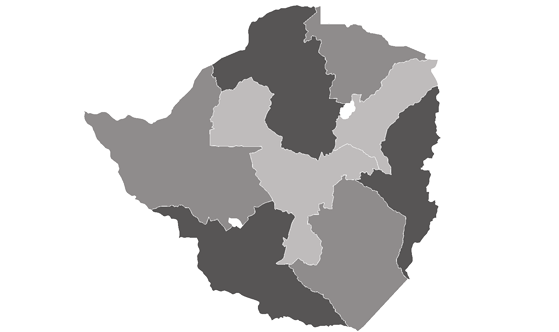
The organization prequalified LEN, a highly effective twice-yearly injectable for HIV prevention, in October this year. This was followed by national regulatory approvals to increase access in South Africa, Zimbabwe and Zambia.
WHO is also working closely with partners to enable affordable access to LEN in countries.
By pairing these advances with decisive action, supporting communities, and removing structural barriers, we can ensure that key and vulnerable populations have full access to life-saving services, said Tereza Kasaeva, who heads the organizations department for HIV and other diseases.
Communities drive HIV response
UNAIDSwarned last week that the number of people beginning treatment has fallen across 13 countries, while over 60 per cent of women-led organizations say they had been forced to suspend essential services.
The UN agency highlights that communities are the driving force of the HIV response, bringing education and support to those living with AIDS and collaborating with health workers and policy makers to advocate for access to treatment.
The pain, fear, and mental pressure that we ourselves have felt through that experience we know how big a role peer support plays in anyones life, Ms. Mishra told UN News when speaking about the importance of community.
Organizations like the one Ms. Mishra works for, the National Coalition of People Living with HIV in India (NCPI+), combat stigma and reach vulnerable populations to help with access to HIV treatment and prevention, among other services.
We have started this movement, but how to keep it going for a long time that is a very big question. Because until the network is strong, we will not be able to provide services on the ground, neither reach youth nor provide peer support, she said.